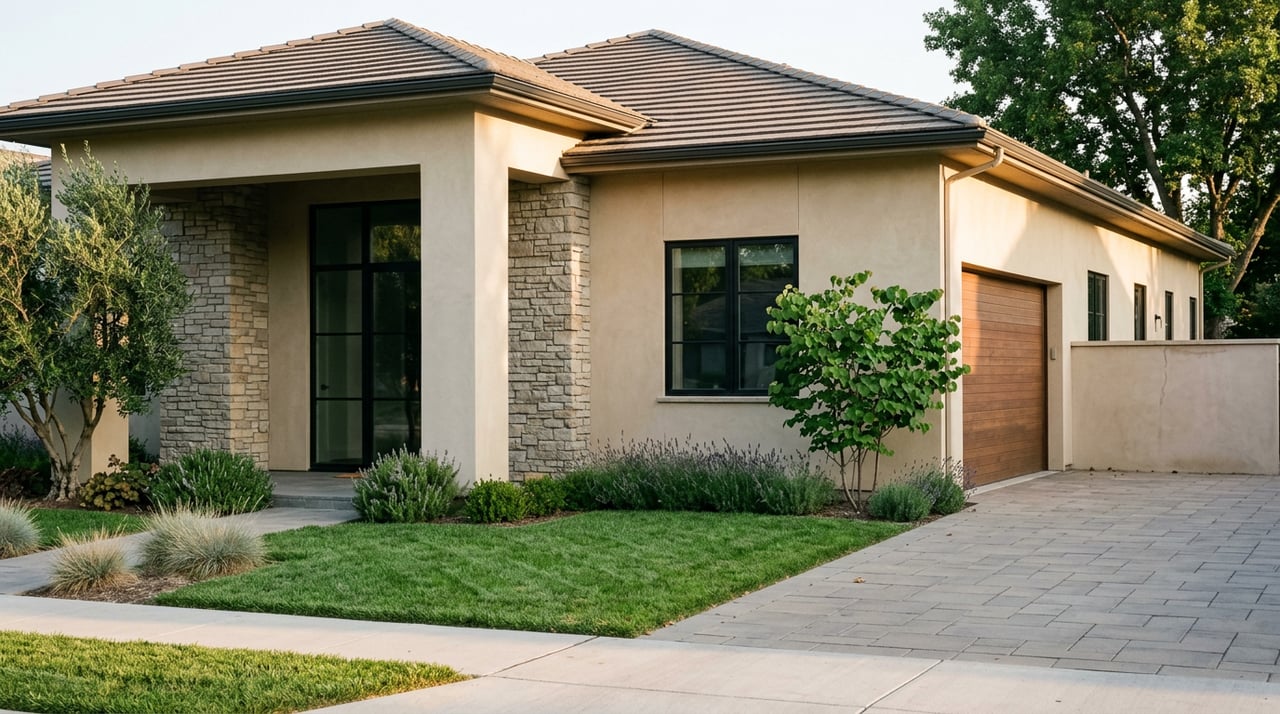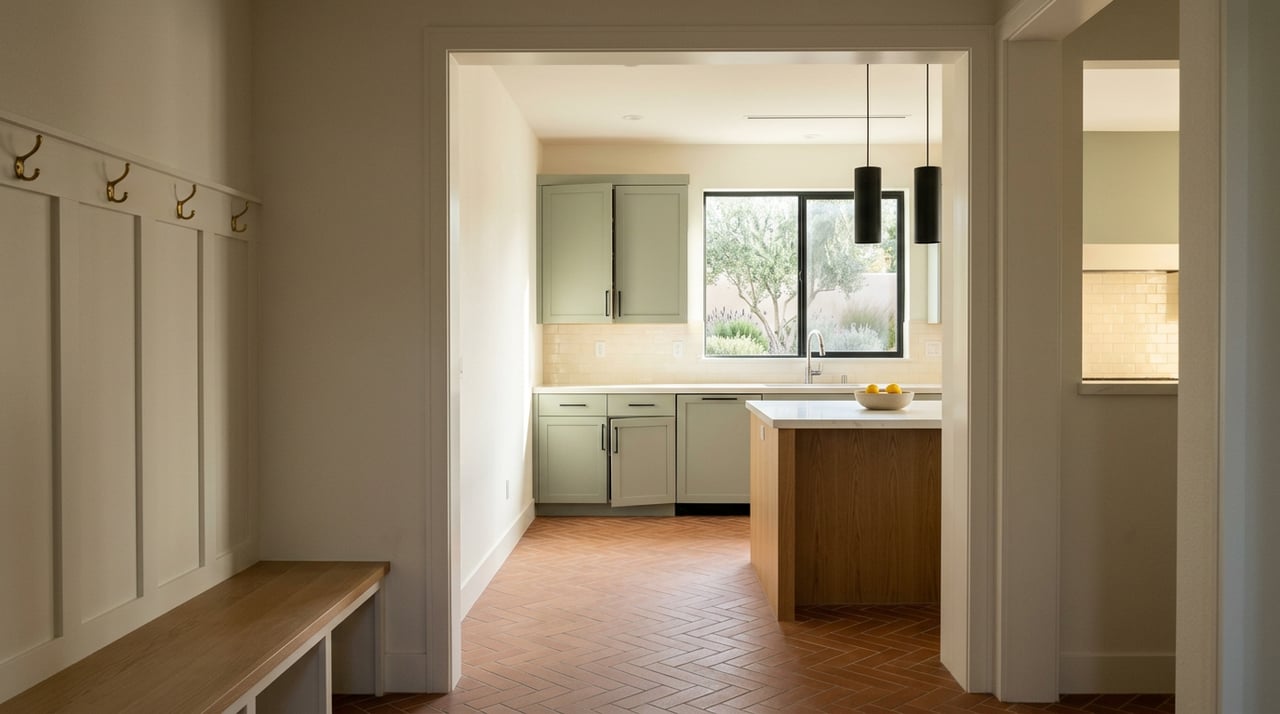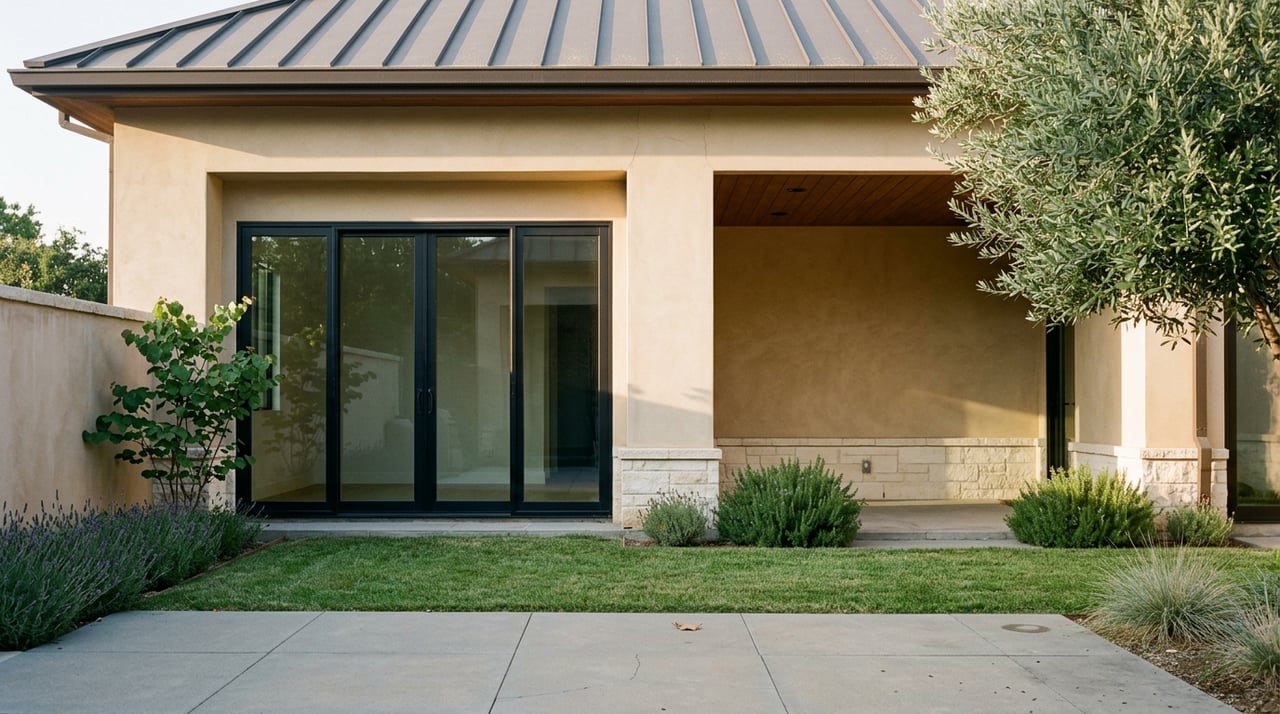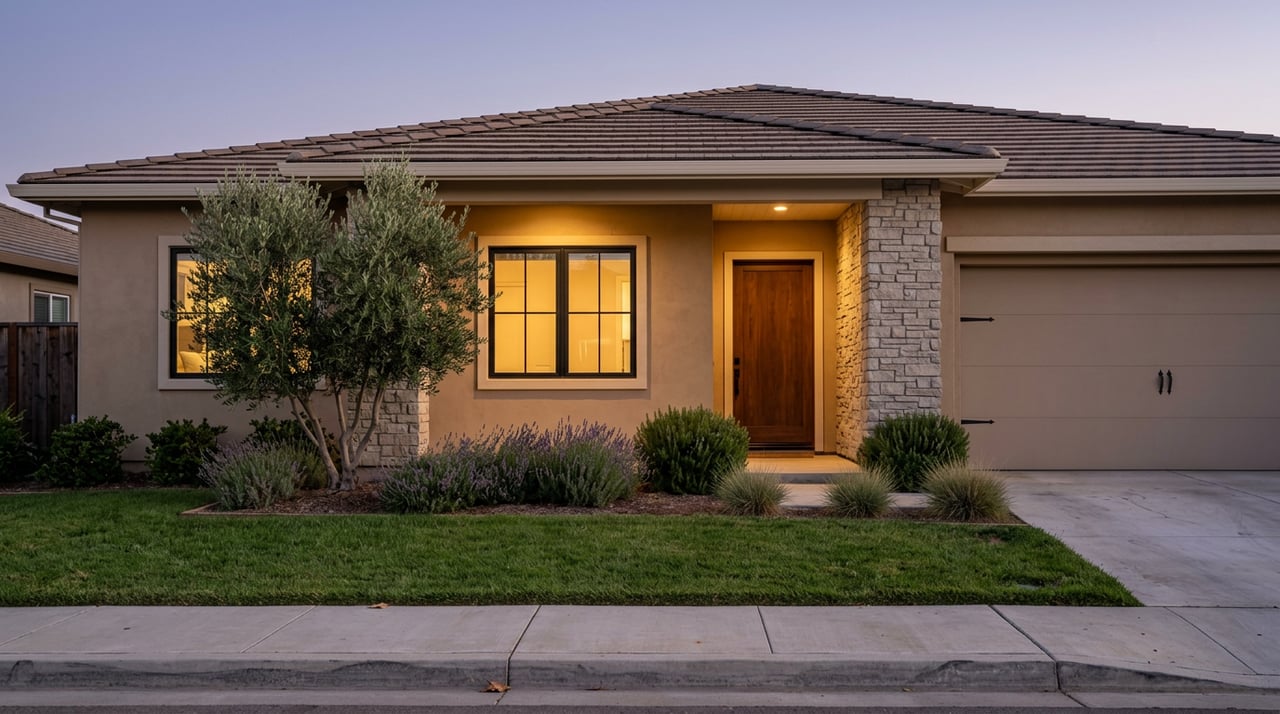
"City hall would remain on Draper Street for future generations, continuing our civic investment in the revitalization of our downtown core." That's how City Manager Alex Henderson described the decision, and it's a strange sentence to build a city budget around until you look at the math behind it.
On June 17, 2026, the Kingsburg City Council voted unanimously to buy 1600 Draper St., the building that has housed Van Beurden Insurance Services since it went up in 1991. Total cost, including the improvements the city expects to make, comes to $4.5 million. That number only means something next to the alternative the city walked away from: a brand-new 10,000-square-foot city hall, priced at more than $11.2 million with a two-year build timeline, based on a 2025 conceptual design from Integrate Design by Soman, the local architecture and project management firm the city hired to study the question.
Put those two numbers side by side and the decision stops looking sentimental and starts looking like arithmetic. The Van Beurden building runs closer to 19,000 square feet, nearly double the space of the new-construction option, and the city says the total cost still comes in at about 60% of what building new would have run.
The Money Behind the Move
Kingsburg isn't paying cash for this. The financing structure tells you almost as much as the purchase price does about how a small city stretches a dollar on its own main street:
- $1.5 million down payment, funded through development impact fees already collected from growth in town
- $3 million financed directly by the seller through a secured promissory note at 5% interest
- Roughly $237,000 in annual payments, covered by reallocating existing program funds and pulling from the city's redevelopment property tax trust fund
- A $1 million federal earmark for community projects, secured earlier through Rep. Jim Costa's office, that the city can apply toward the work
None of that required a bond measure or a tax increase on residents. It's a city using existing tools, existing revenue, and a seller willing to carry part of the note, to land a building the city says costs about 60% of what new construction would have.
What Doesn't Change
The part of this story that might surprise you if you drive past 1600 Draper St. every day: Van Beurden Insurance isn't going anywhere. Henderson has said the city plans to negotiate a lease with the insurance agency to keep them in the building even after city staff move in. The purchase also comes with existing office furniture already inside, which the city intends to use rather than replace.
There's a practical reason city staff wanted this particular building over a vacant lot somewhere else in town. Henderson pointed to the parking lot as one of the deciding factors, noting that employee parking on Draper Street and side streets has been "a point of contention" for years. A dedicated lot solves a problem that's been quietly annoying downtown business owners and shoppers competing for the same curb space.
Before anyone moves in, the city plans to bring on space consultants to study tenant improvements, including a proper council chamber and better public accessibility. Henderson's current estimate has staff relocating sometime in the first half of 2027. Once that happens, the buildings that make up city hall today at 1401 Draper St. become available for private business or office use, which means this one purchase actually opens up two properties on the same street rather than one.
The Pattern This Fits
If the city hall purchase were an isolated decision, it would just be an interesting footnote. It isn't. It's the latest example of a strategy Kingsburg has been running for years: instead of building outward, invest in what's already standing on Draper Street.
You can see the same logic in how the city built its restaurant scene. Rather than chase national chains the way most Central Valley towns do, Kingsburg's economic development office deliberately recruited independent restaurants under a strategy it calls Destination Dining. Economic Development Coordinator Jolene Polyack put the reasoning bluntly: people aren't going to drive from Fresno for an Applebee's, but they will drive for a meal they can't get anywhere else. That's why Draper Street's restaurant row includes names like Jonathan's Mesquite Grill, Deli Casa, Corsaro's Family Pizza, and Royal & Ancient Grill instead of drive-thru signage.
Roadhouse 99 followed the same arc on a smaller scale. Brothers Adrian and Ernie Perez opened it in 2014 in a rundown building off Highway 99, outside town, selling burgers and beer with no formal culinary training between them. Years later, they moved the whole operation into downtown Kingsburg, trading a highway pull-off for a full bar and craft cocktail menu on Draper Street proper. Adrian Perez has talked about how, for a long time, Kingsburg residents left town for a nice meal because everything local closed early. That's the exact gap Draper Street's downtown investment has been closing, one storefront and one civic building at a time.
The Downtown Business Improvement District Advisory Board keeps this machinery running in the background. The board met on July 14, 2026, and had another meeting agenda posted for August 4, 2026, the kind of steady, unglamorous civic maintenance that doesn't make headlines but keeps Draper Street's revitalization from stalling out between big announcements.
Where This Lands on the Calendar
Right now, downtown is in its quiet stretch. The Memorial Park farmers market and the Concerts Under the Stars band series, six Thursday evenings that pair produce stands with performances by the Kingsburg Community Band, wrapped up by late July. What comes next on the Draper Street calendar is the Crayfish & Jazz Festival, which typically lands in September and turns the street into a crayfish boil with a chowder cook-off, a cornhole tournament run by Spirithorse Kingsburg, and a beer garden. It's the kind of event that only makes sense in a town that's spent years building a reputation for food you can't get anywhere else.
That festival will happen on the same six blocks where a city council just voted to relocate its own offices. Neither decision was made in isolation. Both come out of the same instinct: put the investment where the town already gathers instead of somewhere new.
What It Means If You Live Here
None of this changes what Draper Street looks like tomorrow. The insurance office will keep its sign up for now, and the sidewalks won't look different until tenant improvements start sometime next year. But it does mean the building you've probably driven past a thousand times without a second thought is about to become the place where your city council meets, your business license gets processed, and your property questions get answered, all a few blocks from where they already do.
It also means the current city hall buildings on Draper Street, once vacated, will need new occupants. Whether that turns into more retail, another restaurant, or office space for a growing local business is still an open question. Given how the last decade of decisions here have gone, it's a safe bet the answer stays local.
If you're watching Draper Street's evolution because you're weighing a move to Kingsburg, curious what a downtown-adjacent property might be worth, or just want to talk through what these changes mean for the neighborhood, Iron Key Real Estate keeps a close eye on exactly this kind of local development. Contact Us anytime you want to talk about what's next for this corner of the Central Valley.