If your Clovis home is about to hit the market, the goal is not just to make it look nice. It is to make it feel easy to buy. In a market where buyers are still active but more selective on price and condition, the homes that stand out tend to be the ones that look polished, photograph well, and come to market with a clear strategy. This guide will walk you through how to get your home market-ready from curb to closing. Let’s dive in.
Why market-ready matters in Clovis
Clovis remains an active market, but buyers are paying close attention to value. Redfin reported 343 homes sold in May 2026, up from 273 a year earlier, which shows that homes are still moving. At the same time, homes averaged 39 days on market over the three months ending in May 2026, and sellers received about one offer on average.
Current listing prices also tell only part of the story. Zillow reported a median list price of $555,000, while Realtor.com showed a median listing price of $559,000. Redfin’s recent sold median was much lower at $456,477, which is a helpful reminder that buyers and appraisers focus on closed sales, not just active asking prices.
That gap matters when you prepare your home. If your property shows well and is priced with discipline, you have a better chance of attracting serious interest early instead of chasing the market later with price reductions.
Start with curb appeal
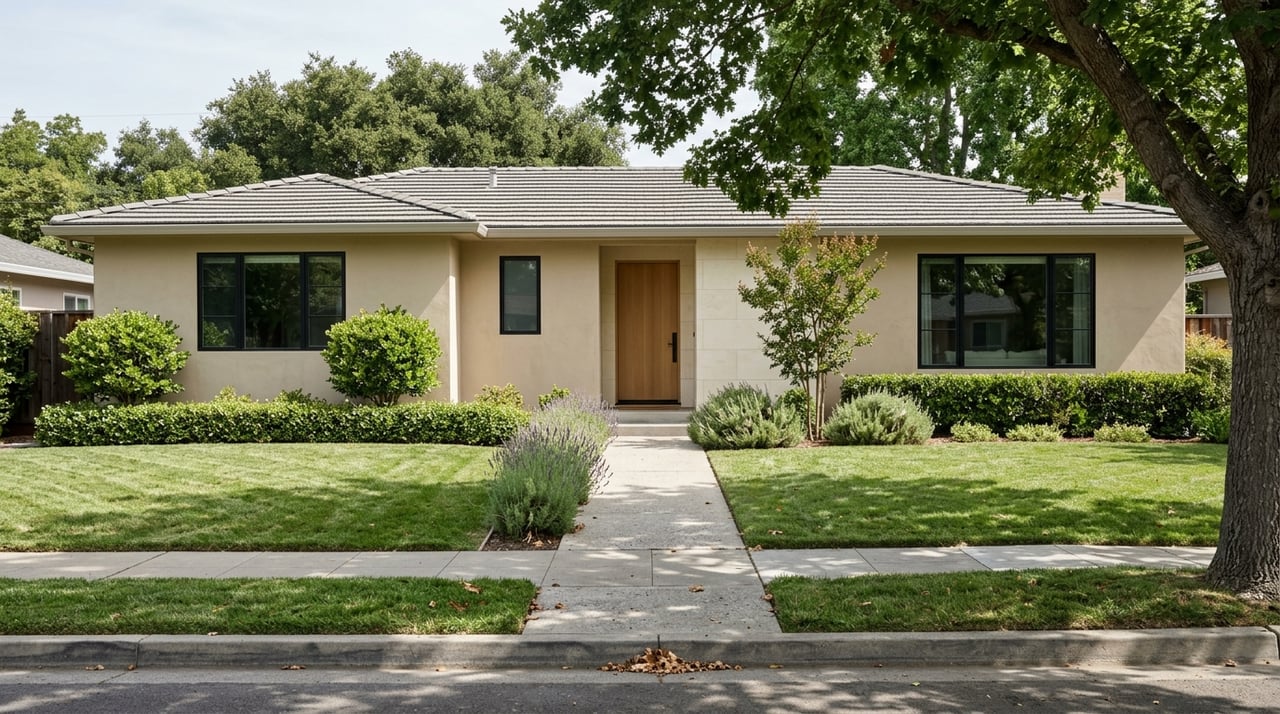
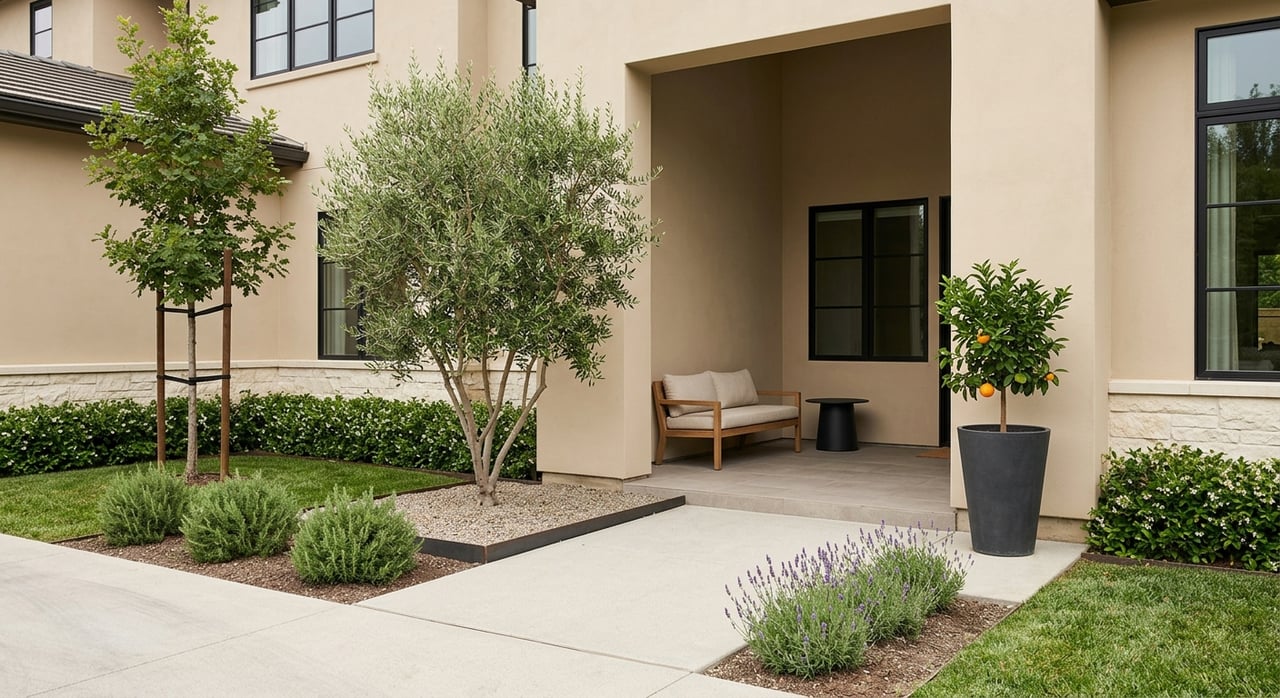
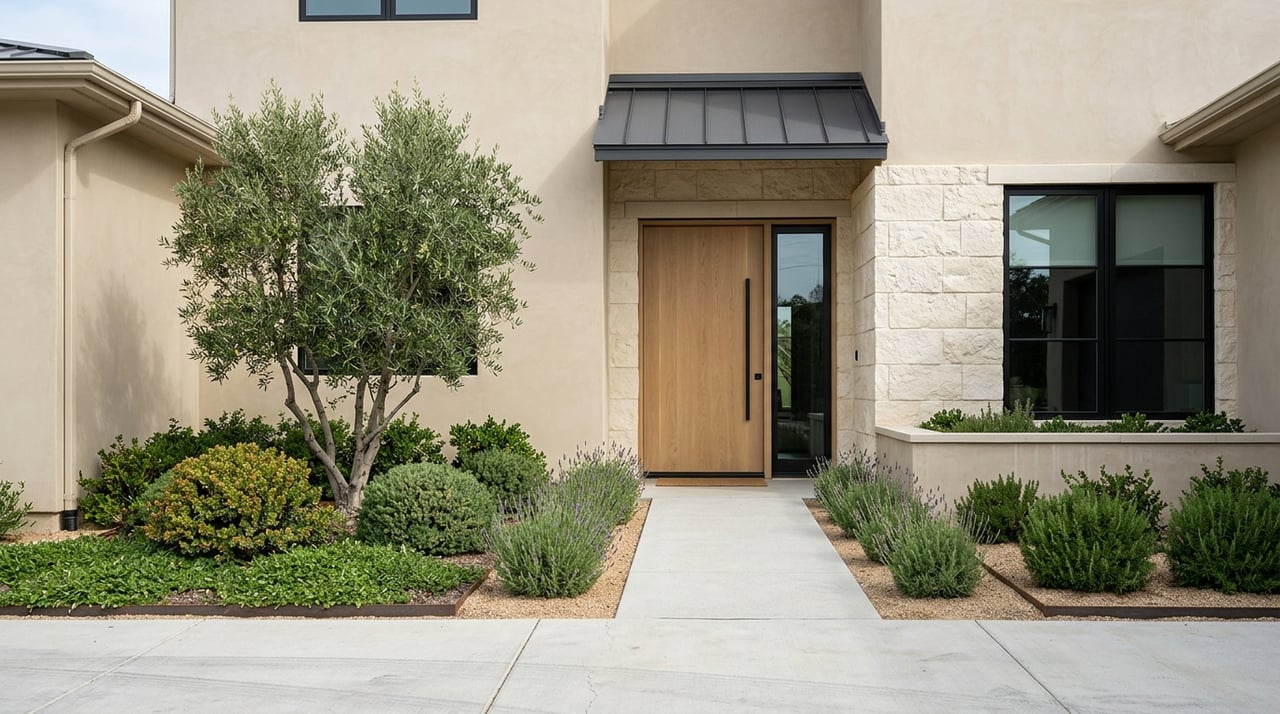
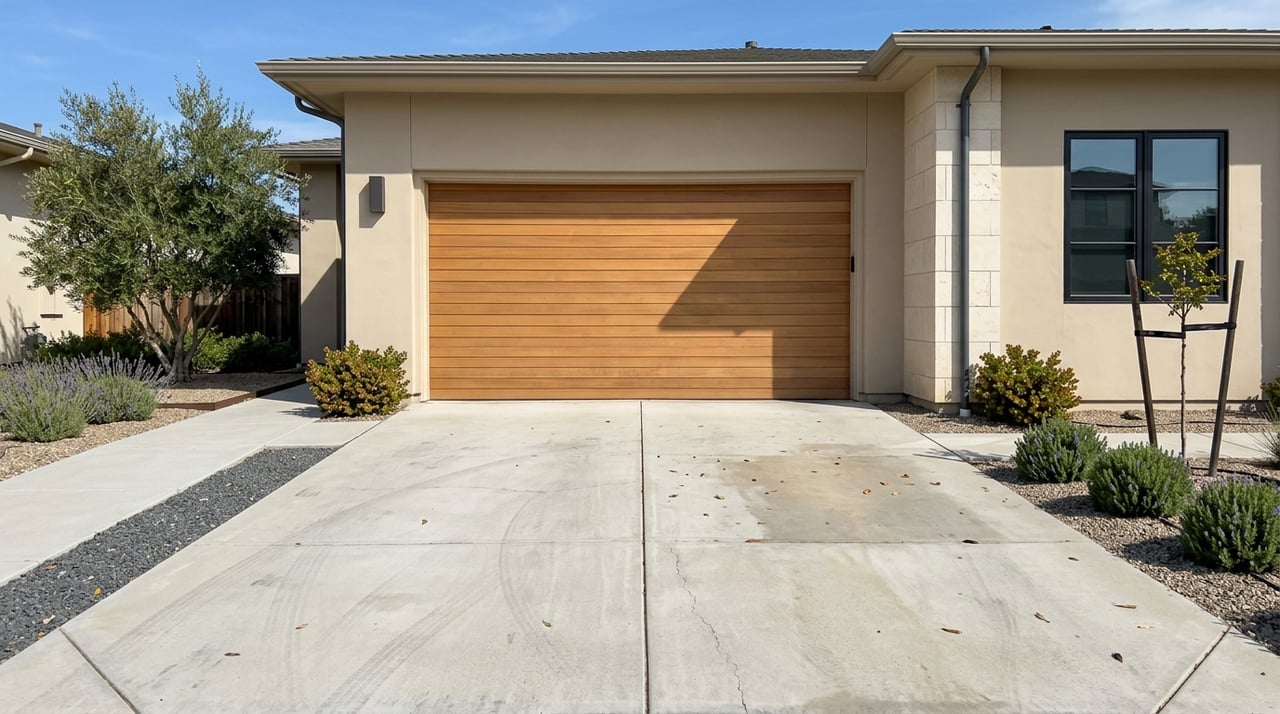
First impressions happen before buyers open the front door. NAR’s 2025 staging research found that 77% of sellers were advised to improve curb appeal, which makes sense in a market where online photos and drive-up impressions carry real weight.
In Clovis, exterior upkeep can be especially noticeable. Redfin’s climate data points to severe heat risk and moderate wildfire risk, so buyers may pay extra attention to landscaping, paint condition, caulking, driveway cleanliness, and whether the home looks well maintained overall.
Focus first on simple, visible improvements:
- Mow and edge the lawn
- Trim shrubs and remove dead plant material
- Sweep the porch and driveway
- Touch up chipped paint
- Clean windows and the front door
- Replace worn doormats or faded house numbers
If you are thinking about bigger exterior work, pause before you start. The City of Clovis says permits are required for items like new fences, retaining walls, grading, and work in the street right-of-way, with encroachment permits needed for right-of-way work. That means some projects may be better handled as planned repairs with proper documentation rather than rushed pre-listing upgrades.
Clean, declutter, and simplify inside
Inside the home, buyers notice how the space feels almost as much as how it looks. NAR found that the most common seller recommendations were decluttering the home at 91% and cleaning the entire home at 88%. Those two steps alone can change how large, bright, and well-kept your home appears.
Start by removing anything that makes the home feel crowded or too personal. Extra furniture, overflowing shelves, and busy countertops can distract buyers from the home itself. The goal is not to erase personality completely, but to help buyers focus on the space, layout, and condition.
Low-cost fixes often deliver the best return here:
- Deep clean every room
- Touch up paint scuffs and marks
- Replace burned-out light bulbs
- Fix loose hardware
- Refresh old caulk and grout
- Reduce excess furniture
- Organize closets and storage areas
These updates help reduce what many sellers do not notice anymore: visual friction. If buyers feel like they are mentally adding up chores the moment they walk in, they may start discounting the home before they ever discuss price.
Stage the rooms that matter most
Staging does not have to mean a full furniture overhaul. In many cases, it means arranging what you already have in a cleaner, more intentional way. NAR reported that 83% of buyers’ agents said staging made it easier for buyers to envision the property as a future home.
The rooms staged most often were the living room at 91%, primary bedroom at 83%, dining room at 69%, and kitchen at 68%. If you are deciding where to spend time and money, those are smart areas to prioritize.
A modest staging budget can make sense when the home is already clean and priced well. NAR reported a median staging service cost of $1,500, and 49% of sellers’ agents said staging reduced time on market. Another 29% said it increased the dollar value offered by 1% to 10%.
For many Clovis sellers, the sweet spot is a polished, realistic look. Buyers often come in with high expectations, and NAR found that 77% of agents said TV home shows have raised those expectations. You want your home to feel fresh and cared for, not overly styled or artificial.
Prep for photos before showings
Today, your listing has to win online before it wins in person. NAR said buyers’ agents rated photos as highly important 73% of the time, while sellers’ agents rated photos highly at 88%. Videos and virtual tours also mattered, but strong photos remain the starting point.
That means your pre-listing checklist should be built around what the camera sees. A room that feels fine in daily life may still look dark, cluttered, or cramped in photos. Before the photographer arrives, open blinds, clear counters, hide trash cans, and remove pet items.
Pay attention to temperature too. In Clovis, where heat can become part of a buyer’s first impression, keeping the home comfortably cool during photography and showings can help people focus on the property instead of the weather. A serviced cooling system is not just a maintenance item here. It supports the overall showing experience.
Price from sold comps, not wishful thinking
Pricing is where preparation and strategy meet. In Clovis, current asking prices are sitting above recent sold levels, and Zillow reported that 40.5% of sales were under list price while 24.2% of homes had price drops. That does not mean sellers cannot succeed. It means pricing has to be grounded in reality.
The safest approach is to begin with recent closed sales, then adjust for differences in size, lot, condition, updates, HOA status, pool, solar, and location within Clovis. Active listings can help show your competition, but they should not be your main pricing anchor.
When a home is priced off the market that exists today, buyers tend to hesitate. When it is priced off the market sellers hope for, the listing can lose momentum. In a more price-sensitive environment, strong preparation and a realistic asking price usually work better together than either one alone.
Get disclosures and documents ready early
One of the smartest ways to get from listing to closing more smoothly is to start paperwork before your home goes live. In California, disclosure prep should begin before photos are scheduled, not after you accept an offer.
California Civil Code section 1102 applies to most single-family residential transfers, and sellers should expect to disclose known material issues. The California Department of Real Estate also says the seller completes the condition disclosure while the agent performs a visual inspection and discloses readily observable defects.
If your property is in a common-interest development, you may also need HOA documents before transfer. California law requires delivery of items that can include governing documents, recent financial documents, current assessment and fee information, unpaid assessments or fines, unresolved violation notices, and other specified records.
Some properties may also involve notices related to Mello-Roos or similar special assessments, along with supplemental property tax notices where required. Getting these items organized early can help prevent escrow delays later.
A clean pre-list file may include:
- Seller disclosure forms
- Permits for completed work
- Repair and service records
- Appliance or system warranties
- HOA documents, if applicable
- Tax or special assessment notices, if applicable
This part of the process is easy to overlook, but it matters. Once an offer arrives, speed and clarity can help keep the transaction on track.
A practical Clovis checklist
If you want a simple way to think about market readiness, break it into five parts:
- Exterior: Clean up landscaping, entry, paint touch-ups, and visible maintenance.
- Interior: Deep clean, declutter, brighten, and handle minor repairs.
- Presentation: Stage key rooms and prep carefully for photos.
- Pricing: Use recent closed sales as your foundation.
- Paperwork: Gather disclosures, permits, HOA items, and service records early.
The homes that tend to perform best are not always the ones with the biggest renovation budgets. Often, they are the ones that remove buyer objections before the first showing ever happens.
If you are preparing to sell in Clovis and want a clear plan built around your home, your timing, and current market conditions, Iron Key Real Estate can help you move forward with confidence.
FAQs
How should you price a home in Clovis today?
- Start with recent closed sales in your area and adjust for features like size, condition, updates, HOA status, pool, and solar, rather than relying on active list prices alone.
What home improvements matter most before listing a Clovis home?
- The highest-value prep is usually deep cleaning, decluttering, minor repairs, paint touch-ups, curb appeal work, and making sure the home shows well in photos.
Is staging worth it for a home sale in Clovis?
- It can be, especially when the home is already clean and priced well, since NAR reported that staging helps buyers picture the home and may reduce time on market.
What documents should you gather before listing a Clovis home?
- It is smart to organize disclosure forms, permits, service records, warranties, and HOA documents if the property is in a common-interest development.
Do exterior projects in Clovis ever need permits before selling?
- Yes. The City of Clovis says permits are required for some work such as new fences, retaining walls, grading, and certain right-of-way improvements.